World Tourism Day: A Unique Perspective from the Highest Mount Everest and the Birthplace of Peace : Gautam Buddha
Every year on September 27th, the world celebrates World Tourism Day—a day that highlights the social, cultural, and economic value of tourism while promoting sustainability and accessibility for all. This special occasion allows us to reflect on the incredible diversity our planet offers, and few places illustrate this better than Nepal, home to both the world’s highest peak, Mount Everest, and the birthplace of Gautam Buddha, Lumbini. As we explore the significance of these two globally cherished landmarks, we gain insight into how Nepal represents the perfect balance between adventure and spirituality, making it a must-visit destination for every traveler.
The Allure of Mount Everest: Adventure at Its Peak
Towering at 8,848 meters, Mount Everest is the crown jewel of the Himalayas and has been a symbol of human ambition and perseverance for decades. Each year, thousands of climbers, adventurers, and trekkers from around the world flock to Nepal, driven by the dream of conquering the world’s tallest mountain. But beyond the excitement of the climb, Everest and the surrounding Himalayas offer more than just a physical challenge—they provide an awe-inspiring connection with nature, one that leaves a profound impact on every visitor.
The Everest Base Camp trek, one of the most popular trekking routes globally, is often a life-changing experience. As travelers trek through Sagarmatha National Park, a UNESCO World Heritage Site, they encounter stunning views of snow-capped peaks, glaciers, and deep valleys, while also meeting the friendly Sherpa communities who live in the region. The Himalayas are not only a haven for adventure but also a reminder of the delicate balance between nature and humanity. With increasing tourism, there has been a growing focus on sustainable practices, ensuring that the beauty of Everest remains untouched for future generations.
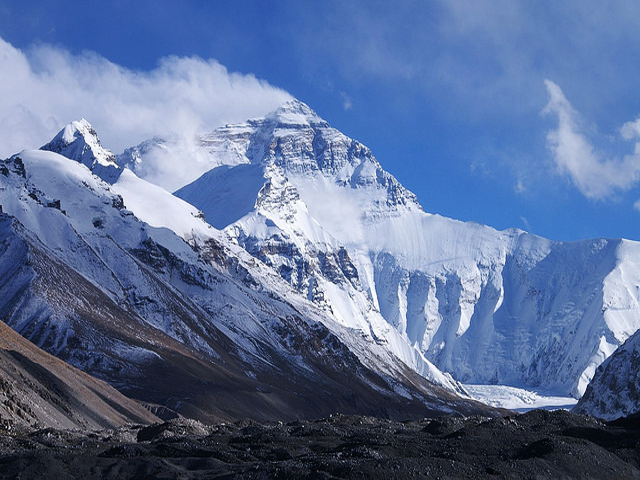
Image 2 Source : https://www.himalayanwonders.com/content/peaks/mount-everest.html?selocation=NP
Lumbini: The Spiritual Heart of Nepal
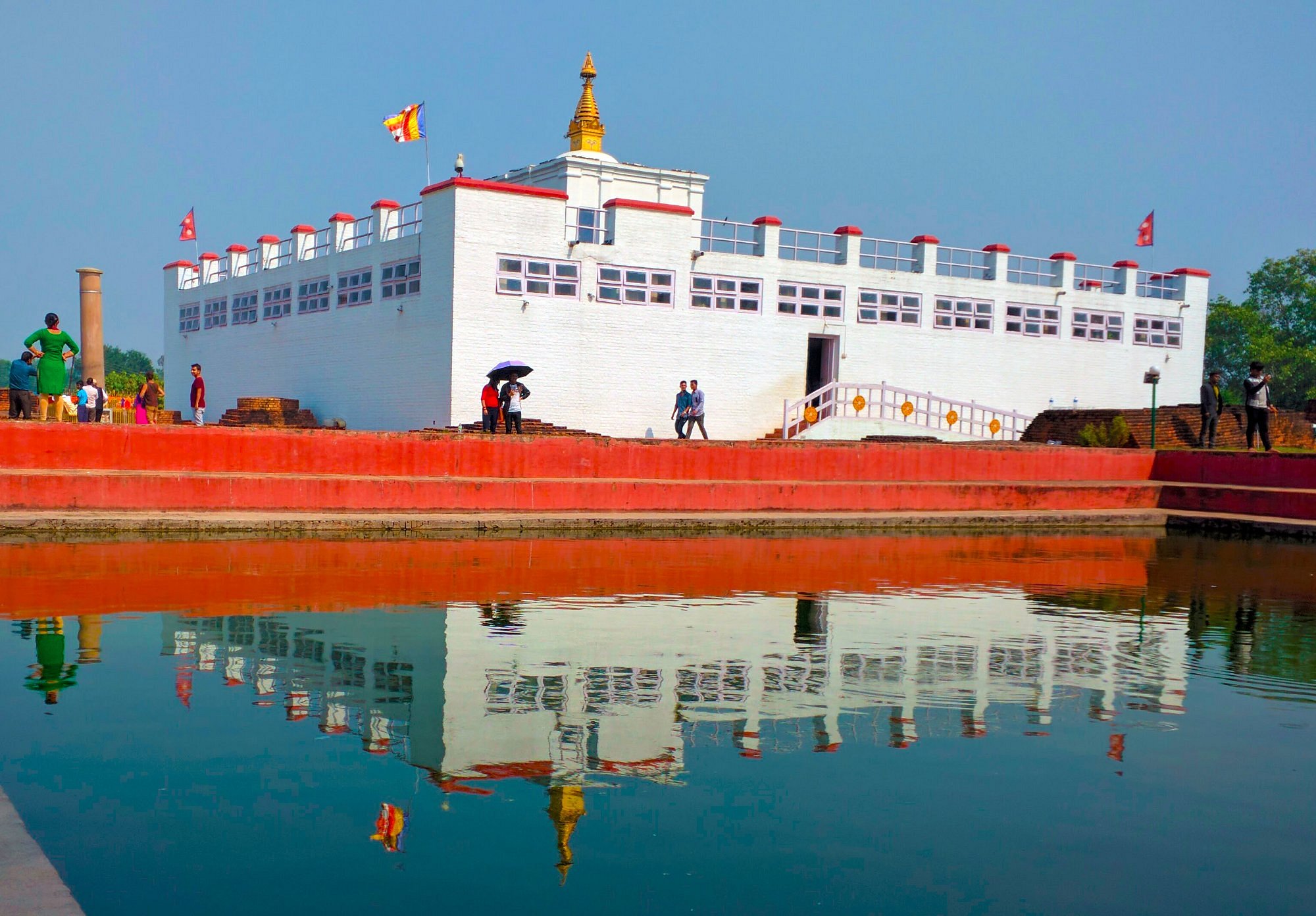
While Everest caters to thrill-seekers, Lumbini, the birthplace of Gautam Buddha, offers a contrasting experience that appeals to those seeking peace, introspection, and spiritual growth. Located in the Terai plains of Nepal, Lumbini is revered as a sacred pilgrimage site, not just for Buddhists but for people of all faiths who seek serenity and mindfulness. This UNESCO World Heritage Site holds immense historical and spiritual significance as the birthplace of the Buddha, the founder of Buddhism, whose teachings of peace and non-violence continue to resonate today.
The Maya Devi Temple, marking the exact spot where Queen Maya Devi gave birth to Siddhartha Gautama (Buddha), stands as a symbol of enlightenment and compassion. Visitors to Lumbini often feel a deep connection to the teachings of Buddha as they stroll through its peaceful gardens and ancient stupas, reflecting on values of harmony, mindfulness, and interdependence. In addition to the spiritual atmosphere, Lumbini offers opportunities for meditation, reflection, and learning about Buddhism’s rich history and cultural influence across Asia and the world.
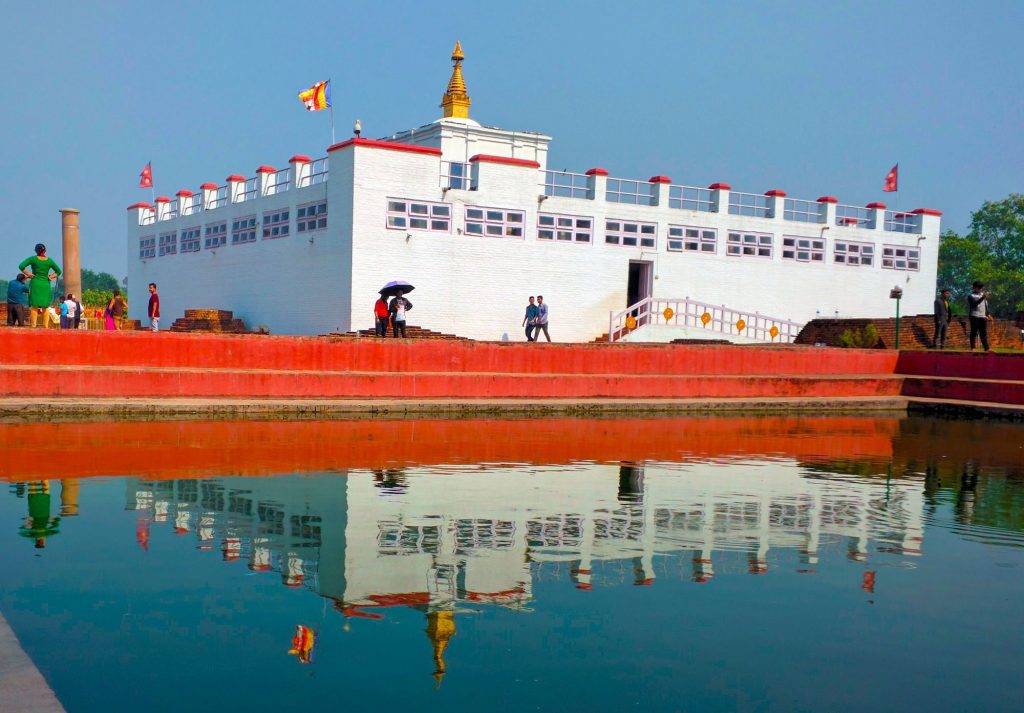
Image Source From : https://www.tripadvisor.com/Attraction_Review-g424940-d320283-Reviews-Maya_Devi_Temple-Lumbini_Lumbini_Zone_Western_Region.html
Nepal: A Destination for Every Traveler
Nepal is a land of contrasts, offering something for every kind of traveler. From the adrenaline rush of adventure tourism to the peaceful retreats of spiritual journeys, the country offers a unique travel experience that combines the best of both worlds. Travelers can embark on thrilling treks in the Annapurna region, take part in white-water rafting on Nepal’s fast-flowing rivers, or enjoy paragliding in Pokhara while being mesmerized by the sight of the Himalayas.
Yet, Nepal’s appeal goes beyond just the mountains and temples. It is a country rich in culture, diversity, and warm hospitality. Visitors can explore ancient Newari architecture in the cities of Kathmandu and Bhaktapur, experience traditional festivals like Dashain and Tihar, and taste authentic Nepali cuisine that blends flavors from the hills and the plains. As a traveler, you’ll not only be captivated by the beauty of the landscapes but also by the vibrant culture and history that make Nepal truly special.
Sustainability in Nepal’s Tourism
As Nepal continues to attract more travelers, the need for sustainable tourism practices has become increasingly important. In the Everest region, for example, there are initiatives to reduce waste, improve infrastructure, and support local communities to ensure that the environment is preserved. Programs like the Sagarmatha Pollution Control Committee (SPCC) have been successful in cleaning up waste left by trekkers and climbers, helping maintain the pristine beauty of the mountains.
Similarly, in Lumbini, efforts have been made to preserve the sacred site while accommodating the growing number of pilgrims and visitors. Sustainable tourism here focuses on protecting the historical and cultural integrity of the area, while promoting mindfulness and responsible travel. By choosing eco-friendly accommodations, minimizing waste, and supporting local businesses, travelers can contribute to the preservation of Nepal’s natural and spiritual heritage.
Conclusion: A Journey to the Soul of Nepal
This World Tourism Day, Nepal stands as a beacon for travelers seeking both adventure and tranquility. Whether standing at the base of Mount Everest or walking through the sacred grounds of Lumbini, visitors to Nepal embark on a journey that transcends mere sightseeing—it becomes an exploration of nature, culture, and inner peace.
With its stunning landscapes, rich history, and spiritual significance, Nepal offers a once-in-a-lifetime experience for those who wish to step out of their everyday lives and into a world of wonder. For anyone looking to be both challenged and transformed, Nepal is a destination that truly embodies the spirit of travel.
References :
Sagarmatha National Park. (n.d.). UNESCO World Heritage Centre. Retrieved from https://whc.unesco.org/en/list/120
United Nations World Tourism Organization. (2023). World Tourism Day 2023: Tourism and Green Investments. Retrieved from https://www.unwto.org/world-tourism-day-2023
World Heritage Convention. (2023). Lumbini, the birthplace of the Lord Buddha. Retrieved from https://whc.unesco.org/en/list/666